


Silicone Food Storage Containers for Baby Meals On the Go (4-Pack)
$23.99
Adult meal-prep containers don't fit baby-sized meals. Half-empty tubs waste fridge space; flimsy lids leak purees into diaper bags.
or skip the cart
Either one takes a single coral / 4oz straight to checkout. Anything already in your cart stays in your cart.
- Free US shipping over $49
- 30 day returns
on camera
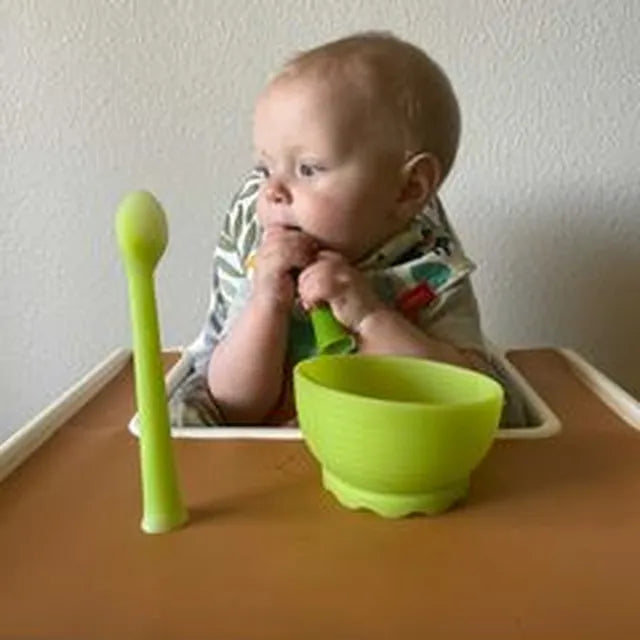
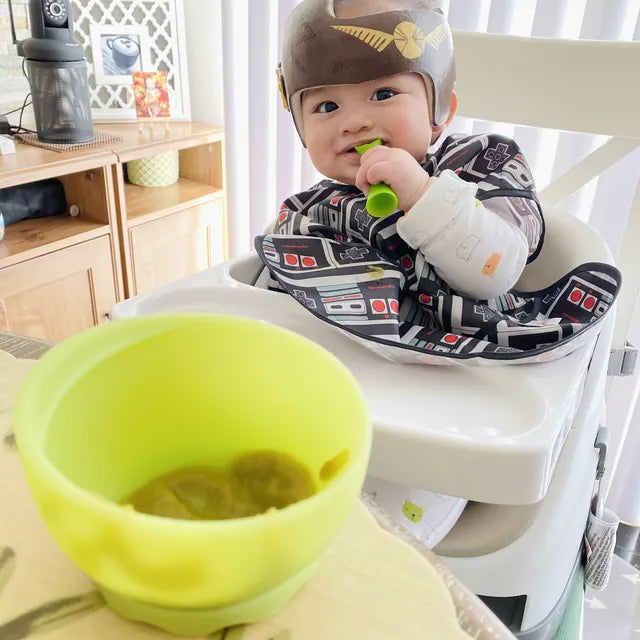
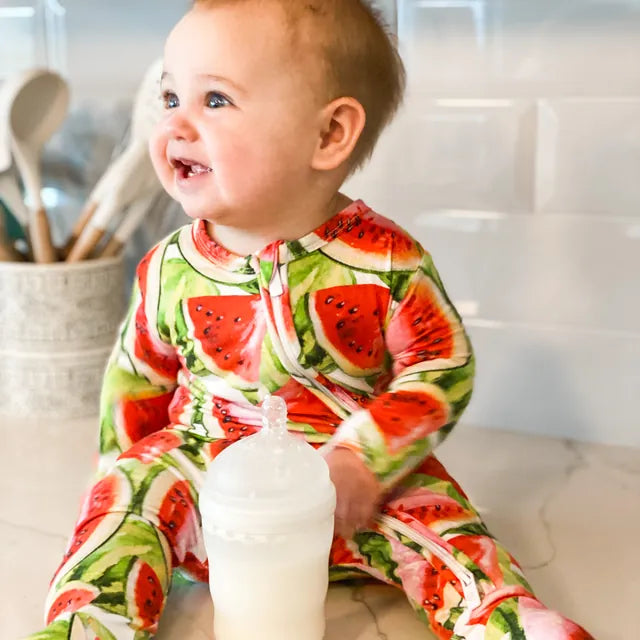
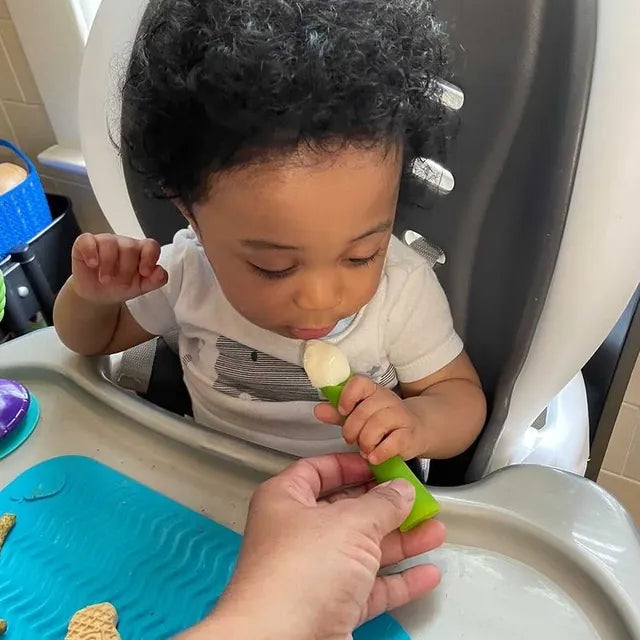
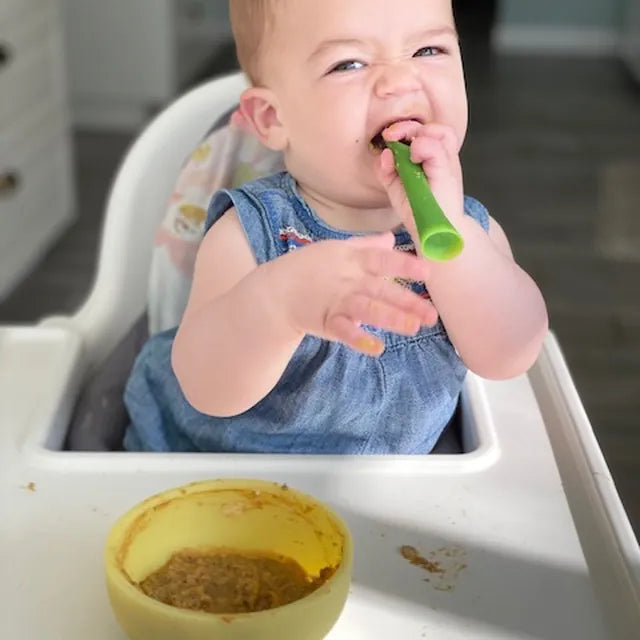
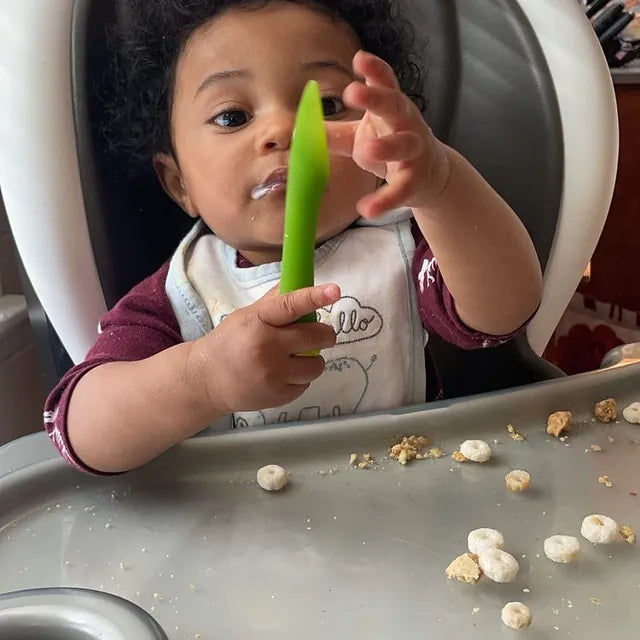
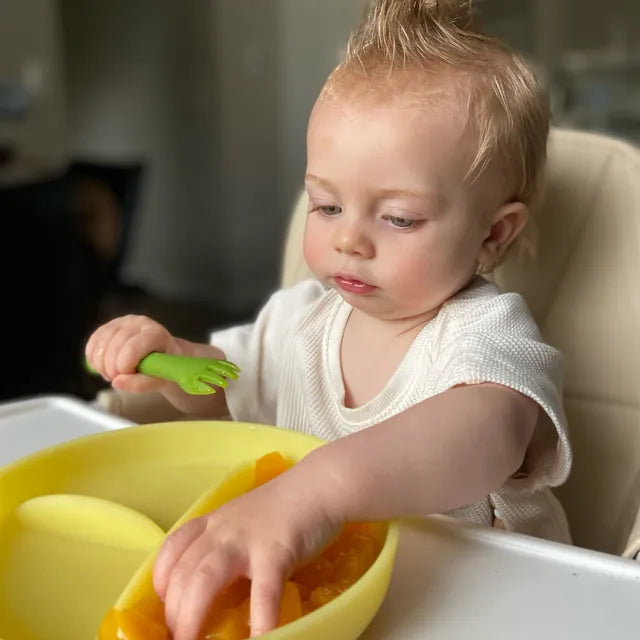
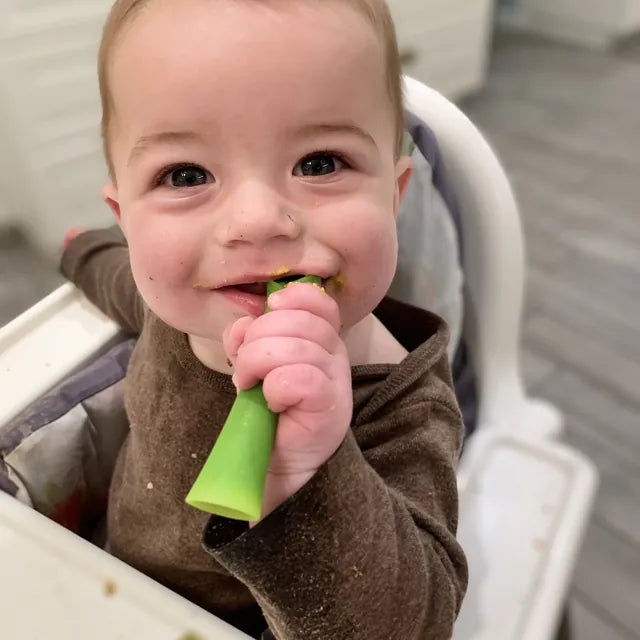
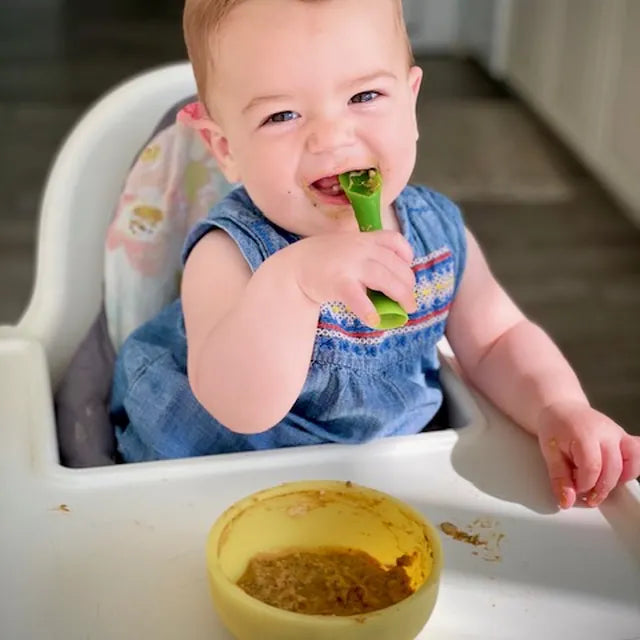
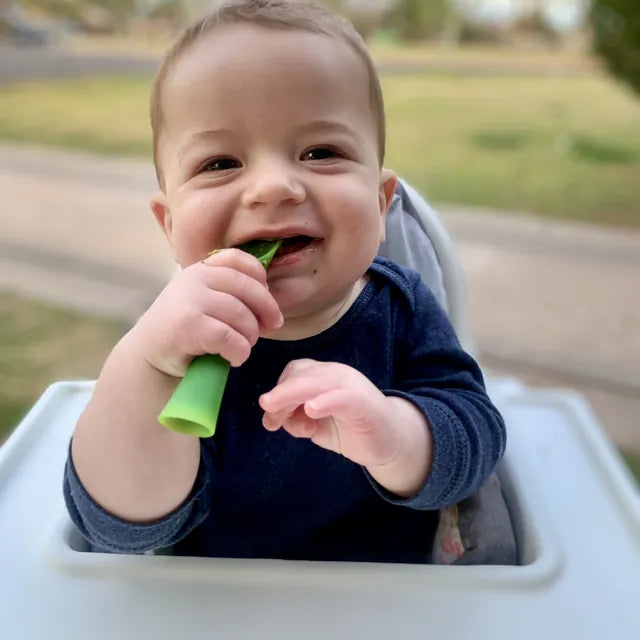
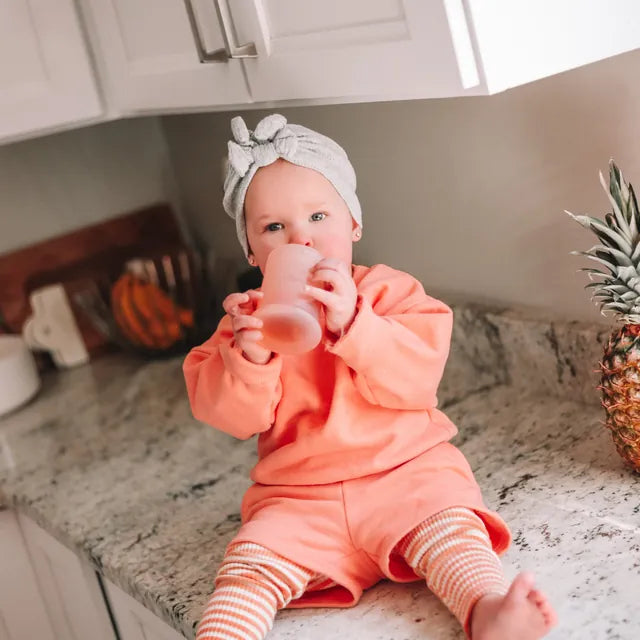
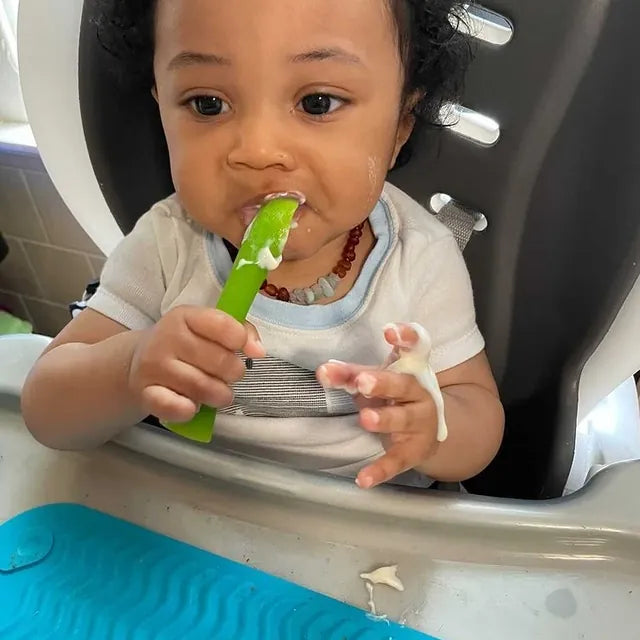
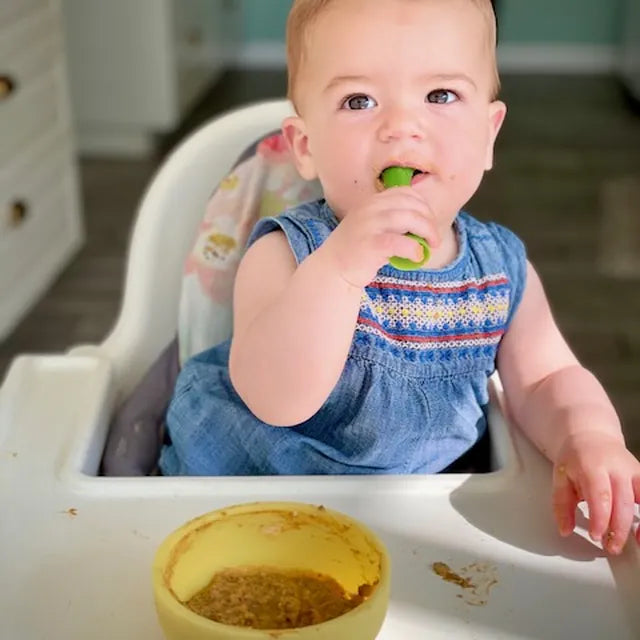
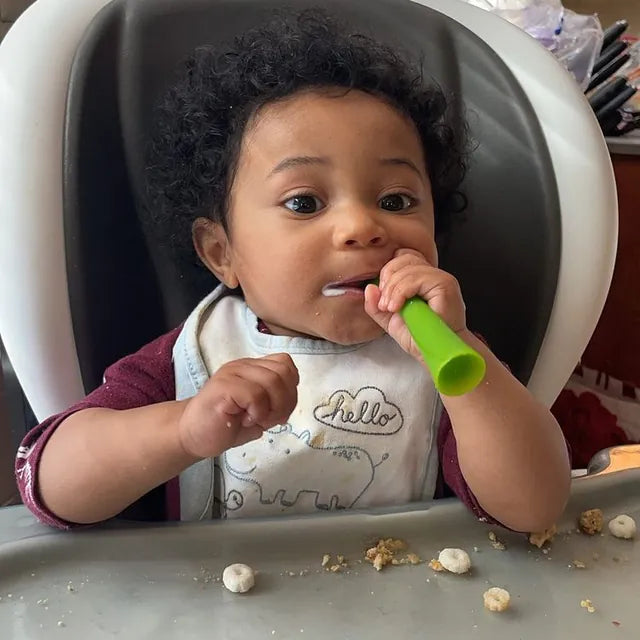
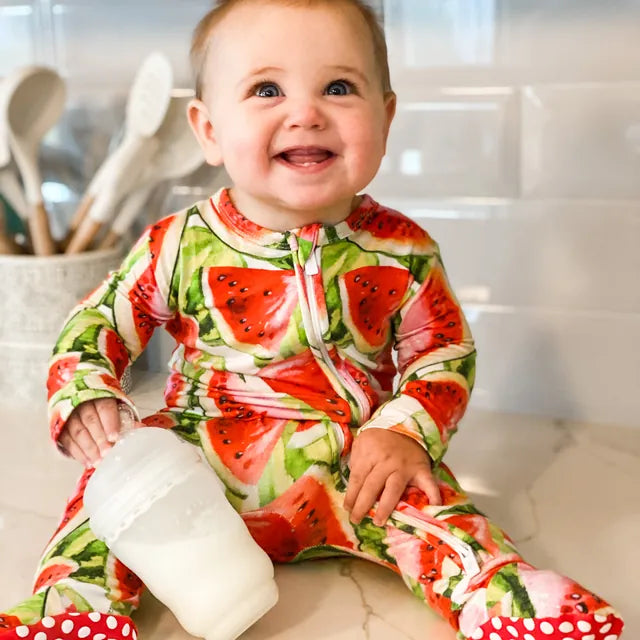
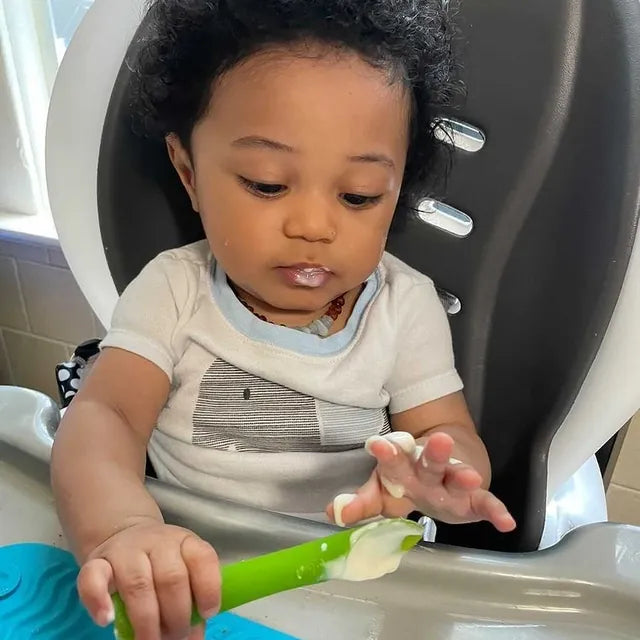
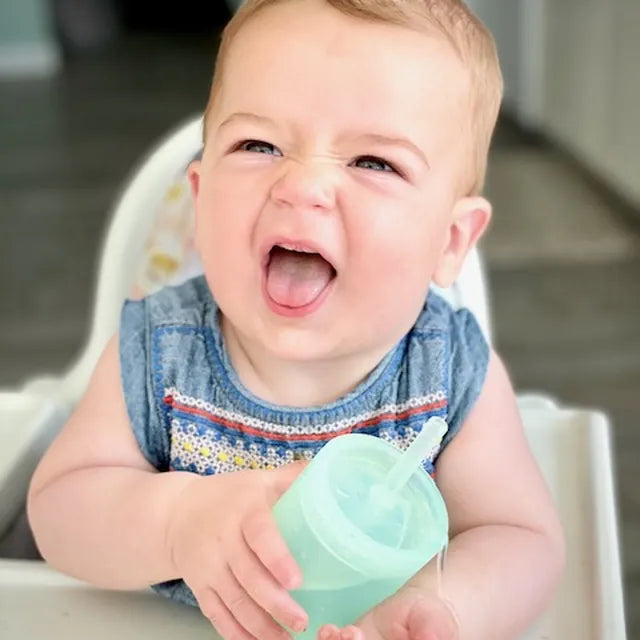
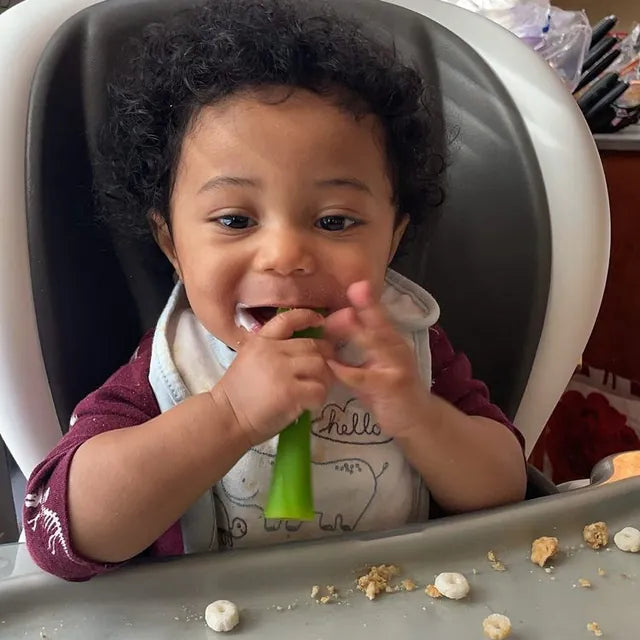
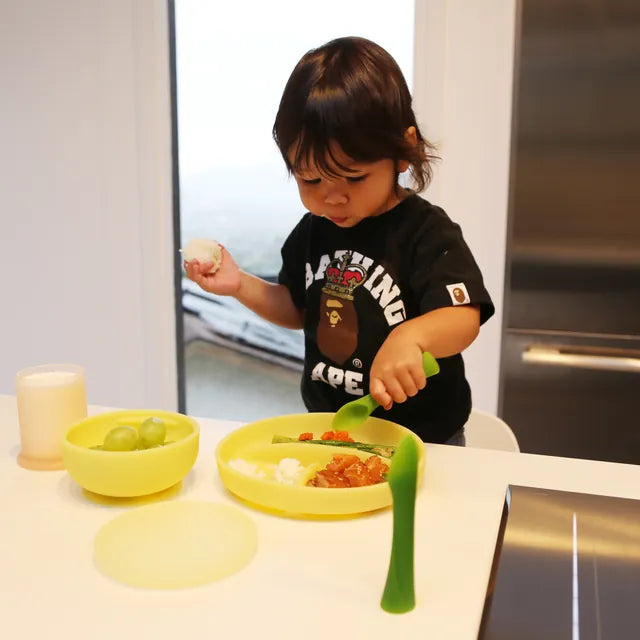
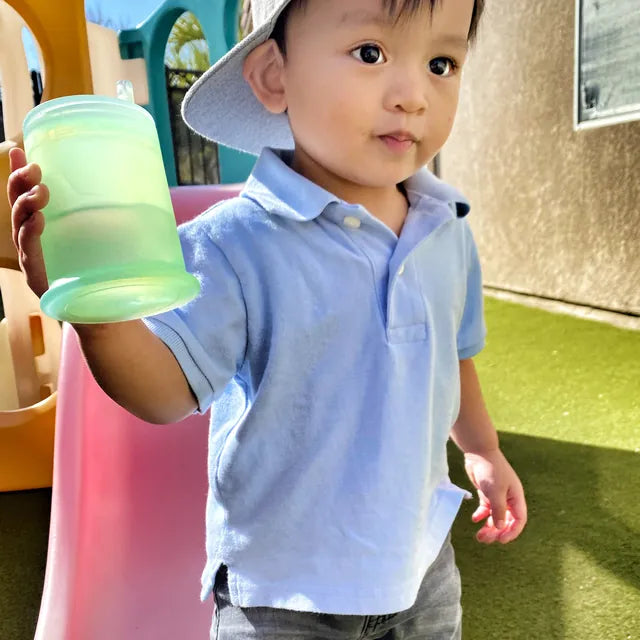
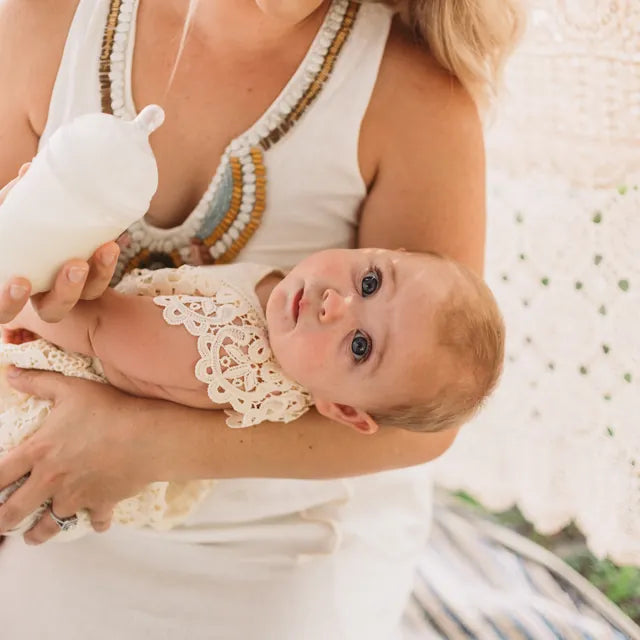
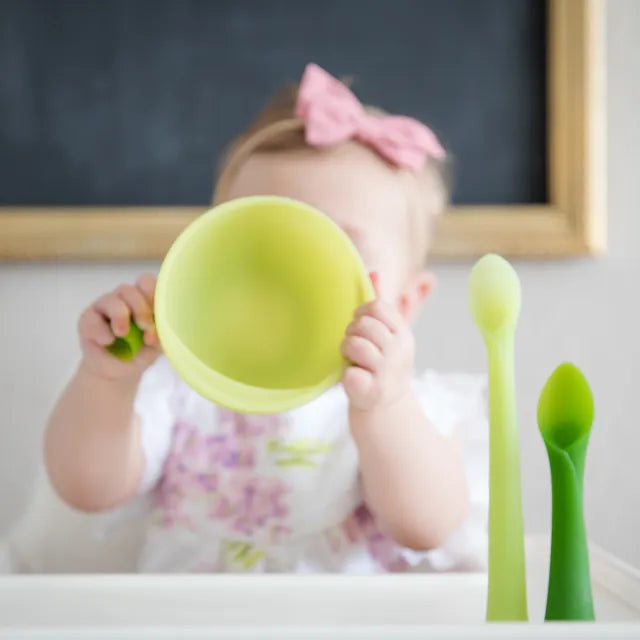
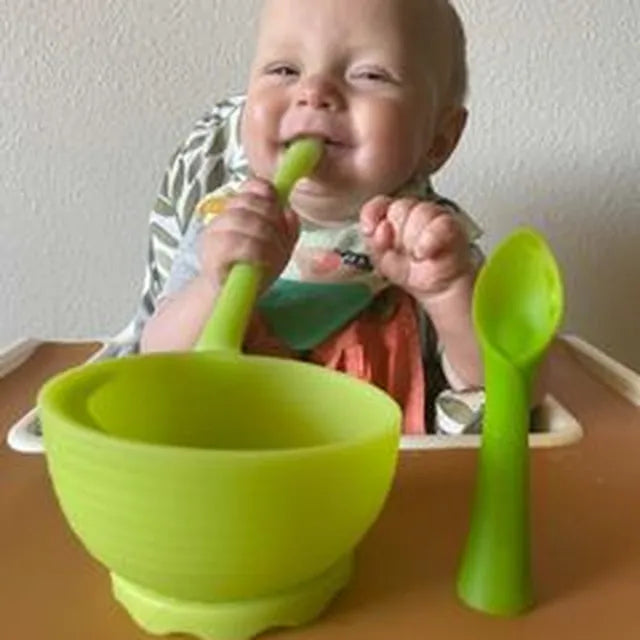
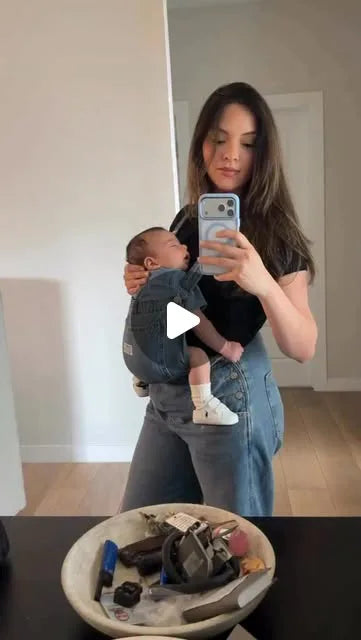
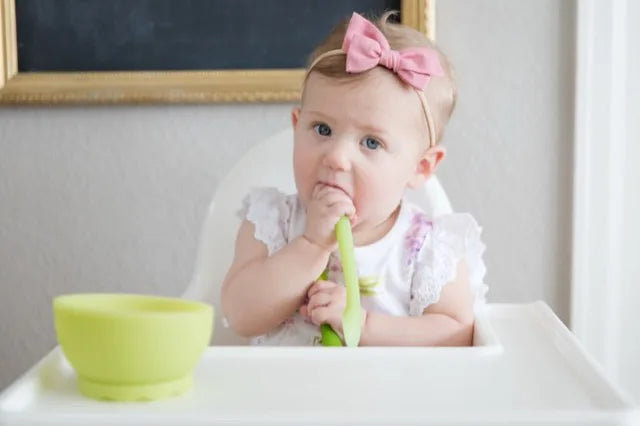
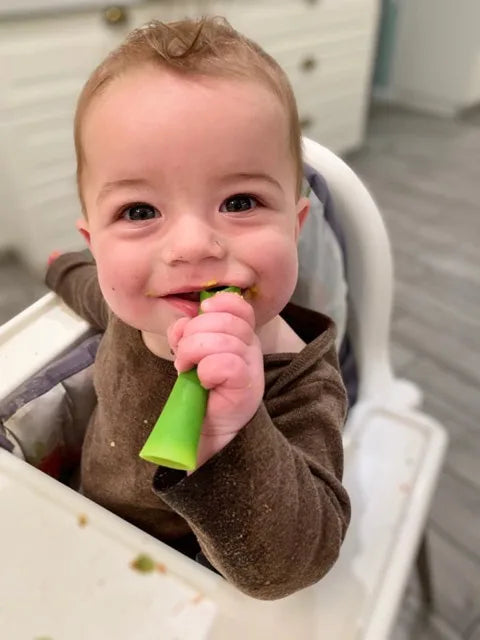
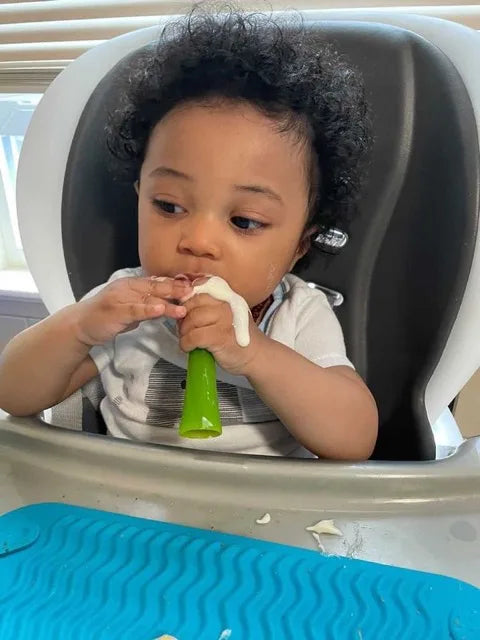
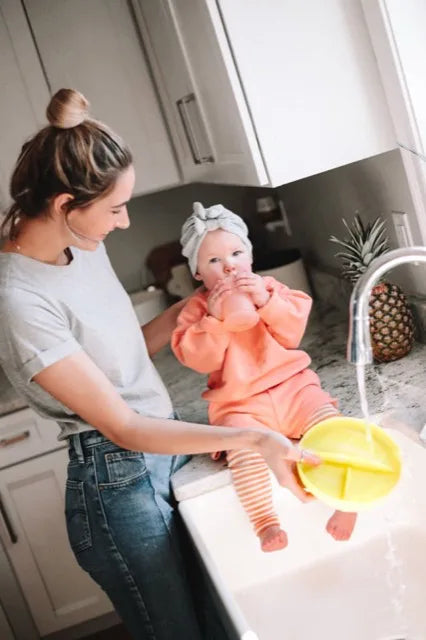
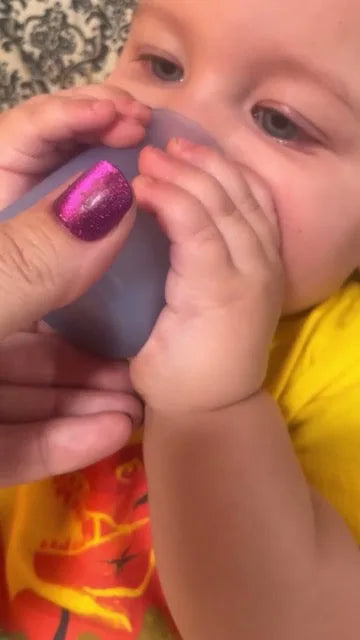
olababy in use
Our products are loved from moms to feeding specialists.
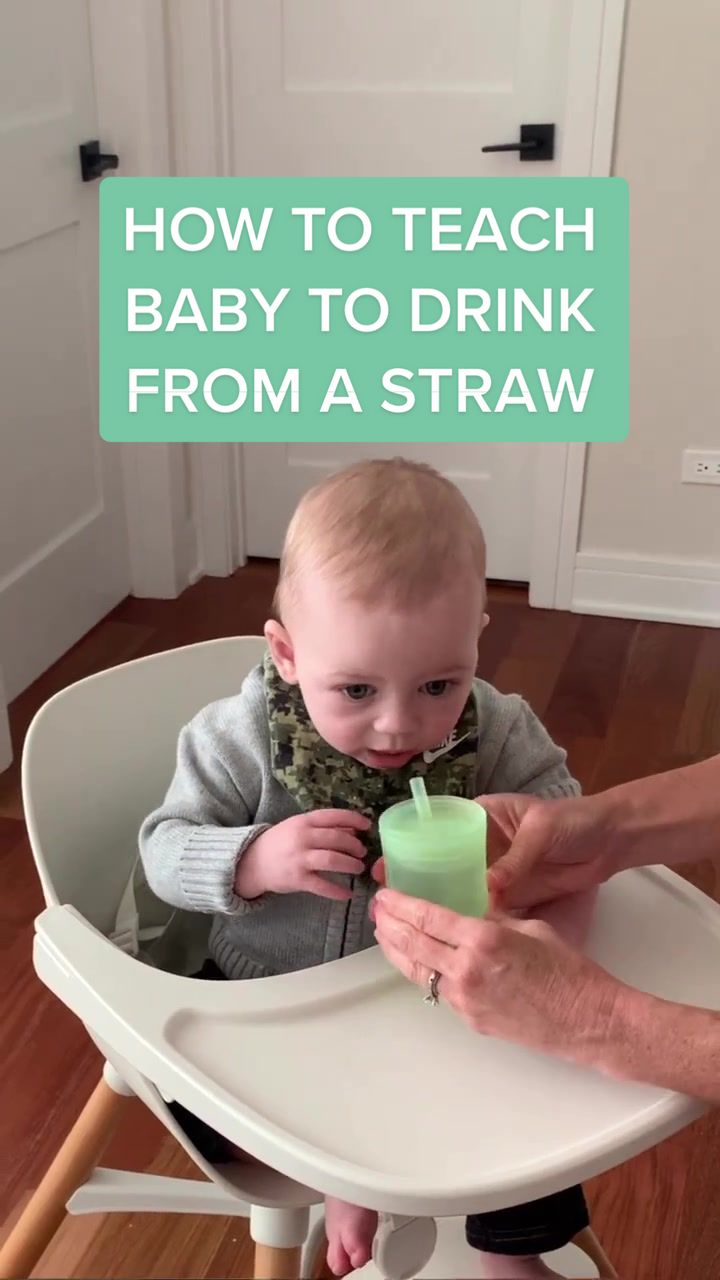 TikTok@chikidsfeedingCatherine, MS, CCC-SLP, CLCHow to teach your baby to drink from a straw. This @olababyusa is my go-to! Comment below for a discount code 🥳 #sponsored #babytips #momhacks #babylife #learnontiktokWatch on TikTok
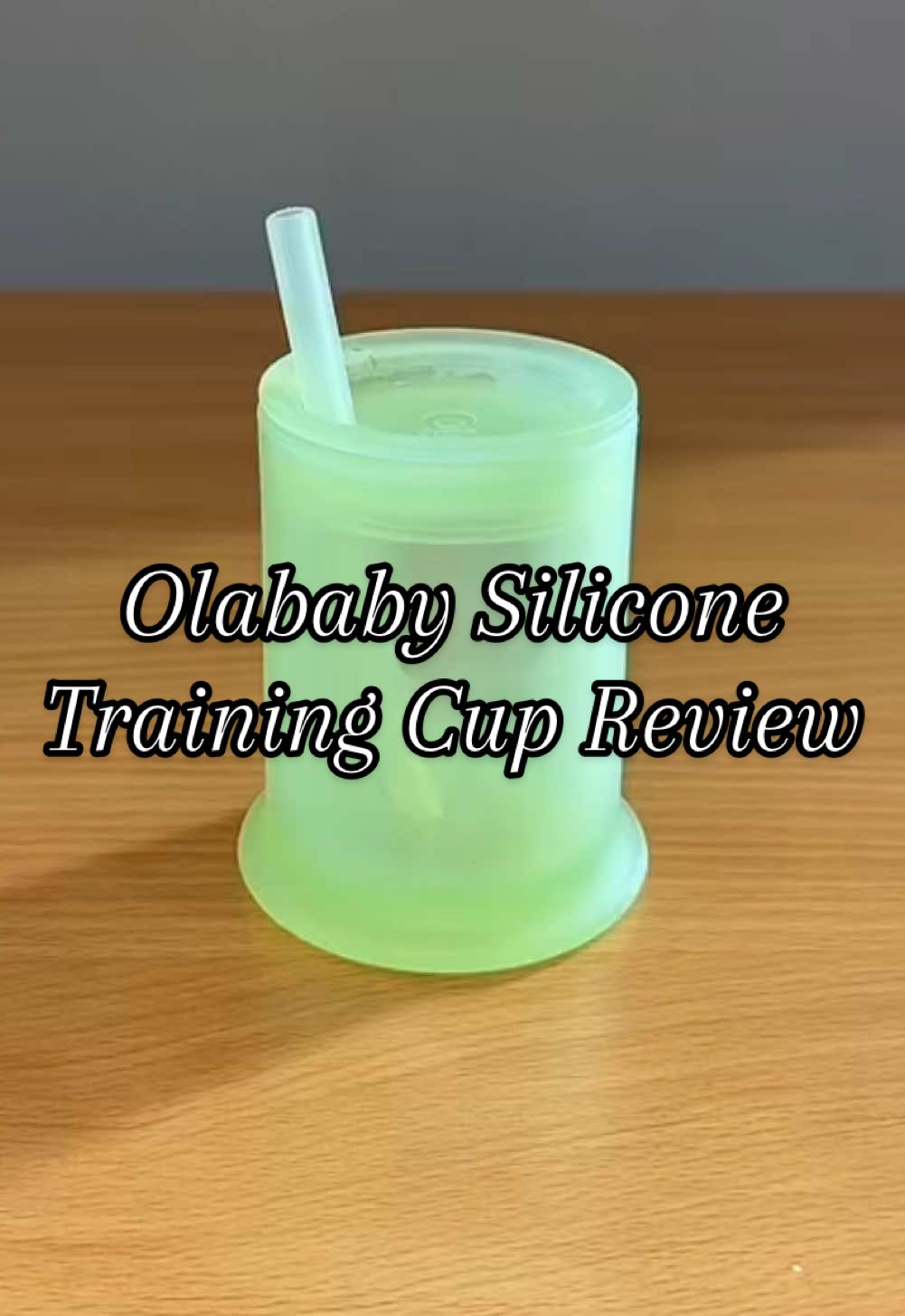 TikTok@christina.santiagoChristina | Mom Finds ✨Replying to @Christina Santiago the @Olababy silicone training cup is the first cup we used for my son! I really like this one & think it is a great starter cup for toddlers starting solids! 🔗 in my storefront! #toddlercup #toddlercupswithstraw #olababy #olababyusa #toddlercups #toddlermusthaves #review #toddlercupreview #momsoftiktok Watch on TikTok
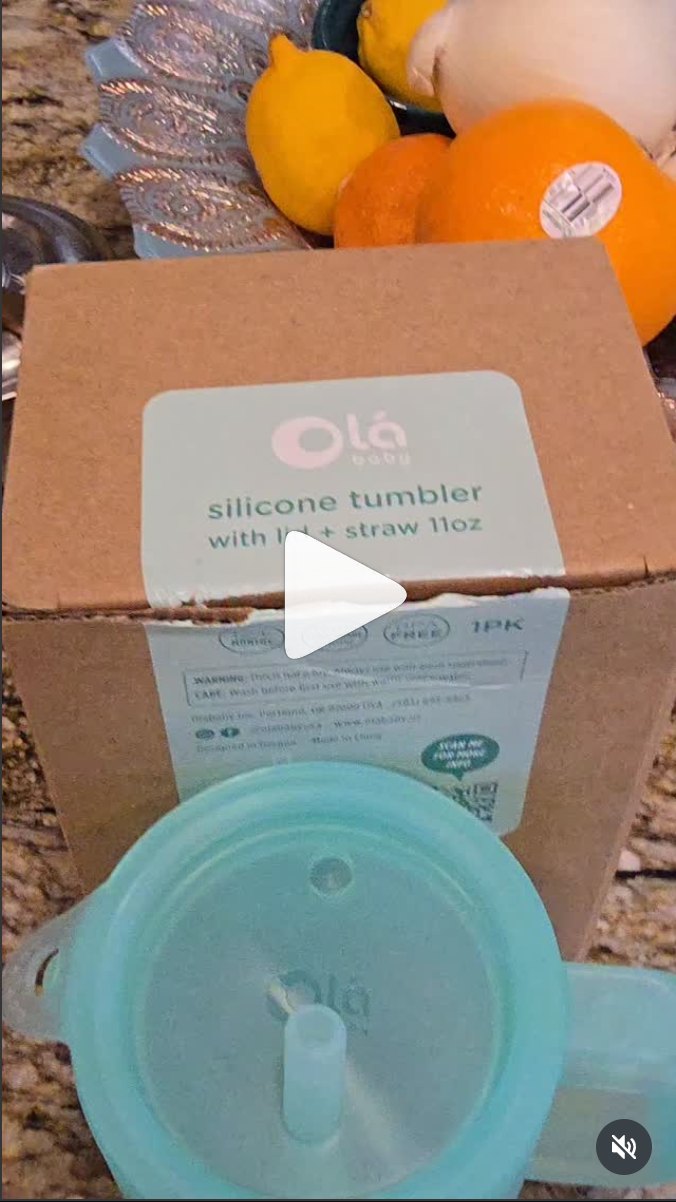 Instagram@jordandisney84Thank you @olababyusa they kindly gifted this 11.oz 100% silicone tumblerWatch on Instagram
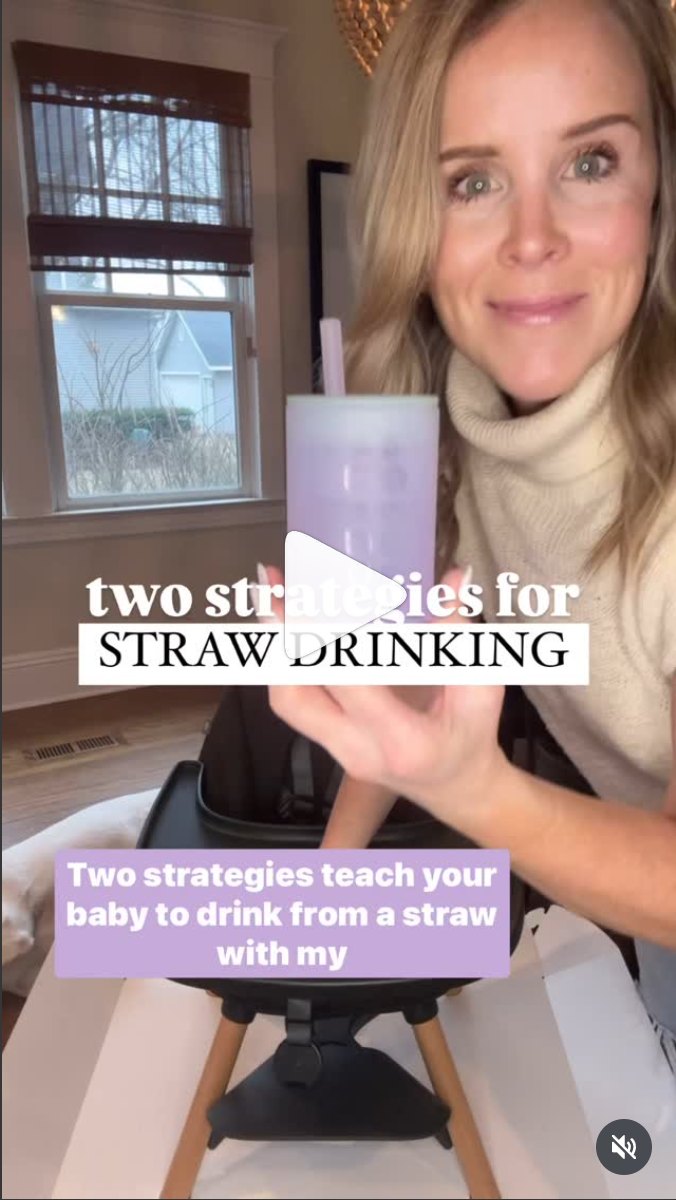 Instagram@chikidsfeedingCatherine, MS, CCC-SLP, CLCToday, two strategies to teach your BABY to drink from a STRAW! 💫 Comment STRAW for a direct link to this awesome cup! 💫 1️⃣ Squeeze Method 2️⃣ Pipette Method Watch to learn!!Watch on Instagram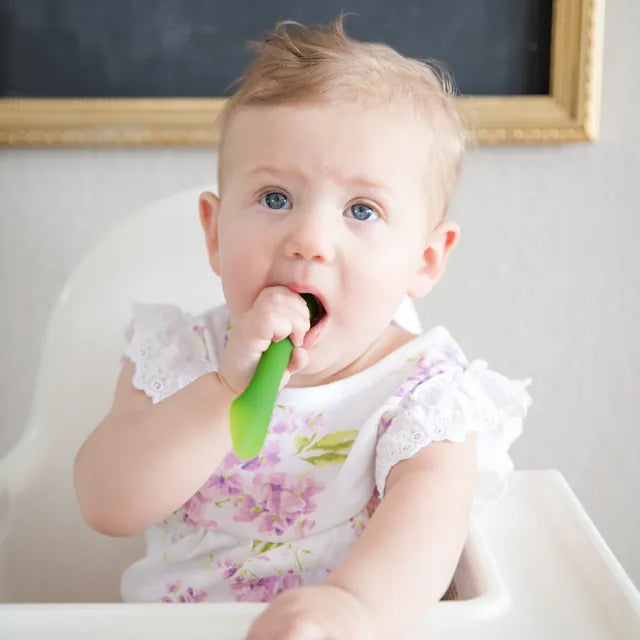



How it works
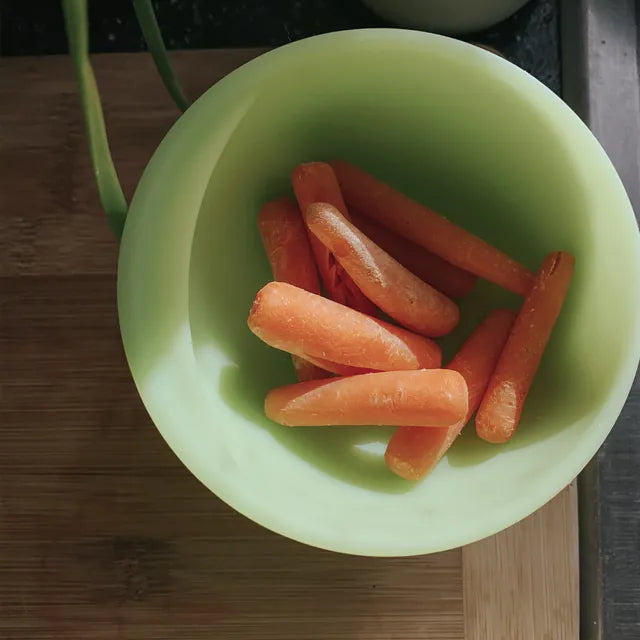
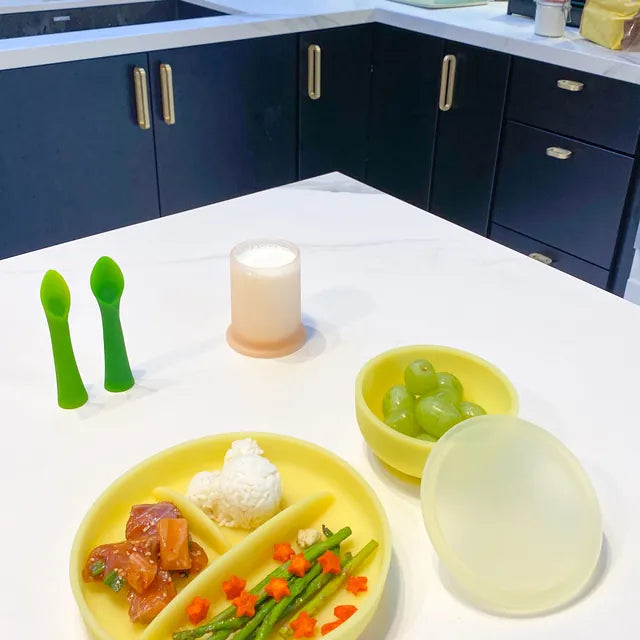
These stackable containers hold single baby meals and snacks with secure silicone lids, freezer-safe for batch prep, bag-safe for outings.
Why parents choose it
- 100% high-purity food-grade silicone: BPA, PVC, lead & phthalate free
- Soft on developing gums and teeth
- Dishwasher safe and easy to clean
- Designed with real parent input in Portland, Oregon
What it is made of
- Made of
- 100% high-purity food-grade silicone
- Free of
- BPA, PVC, lead, phthalate
- Tested to
- FDA food-contact standards, 21 CFR 177.2600
Size and ages
- Measures
- 2oz: 2.63" dia x 1.69"H (66.7 x 43 mm) - 4oz: 2.63" dia x 2.48"H (66.7 x 63 mm)
- Designed in
- Portland, Oregon
Ages it is made for
- 0 to 6 months
- 6 to 12 months
- 12 months and up
Who it is for
- Good fit for
- Packing snacks and portions for daycare, the car or a day out. Tagged 6 to 12 months, 12 months and up and on-the-go.
- Four containers with lids, in two sizes as a purchasable option.
- A parent who wants silicone rather than rigid plastic in a bag.
- Worth knowing
- Freezing measured baby food portions. The 1/2 cup freezer tray is built for that.
- Carrying liquids. These are snack containers, not sealed cups.
- A newborn.
The practical details
What is included
4 containers with lids.
How to clean it
Dishwasher safe (top rack).
Shipping and returns
Free US shipping over $49, $6.99 under it. Orders ship the next business day.
Returns and exchanges run for 30 days from purchase, by mail, in three steps.
- 1Ask for a return numberEmail sales@olababy.us or call 503-893-8363 within 30 days of purchase.
- 2Pack it as it arrivedItems go back unused, in their original condition and packaging, with proof of purchase.
- 3Post it backReturn postage is paid by the customer and is not refunded.
A product bought from a retail partner is returned or exchanged through that retailer.
Questions parents ask
What age is it made for?
Made for 6 to 12 months and 12 months and up.
What comes in the box?
4 containers with lids.
How do I clean it?
Dishwasher safe (top rack).
What is it made of?
100% high-purity food-grade silicone: BPA, PVC, lead, and phthalate free. Designed in Portland, Oregon.
How big is it?
It measures 2oz: 2.63" dia x 1.69"H (66.7 x 43 mm) - 4oz: 2.63" dia x 2.48"H (66.7 x 63 mm).
What age is this right for?
Most Olababy feeding tools are designed for the start of solids around 6 months through toddler self-feeding. Check the Details section for this product’s specific age guidance.
Is it okay that my baby chews on it?
Yes, mouthing and chewing are a normal part of learning to eat, and soft silicone is gentle on developing gums and teeth.
What utensils are best for baby led weaning?
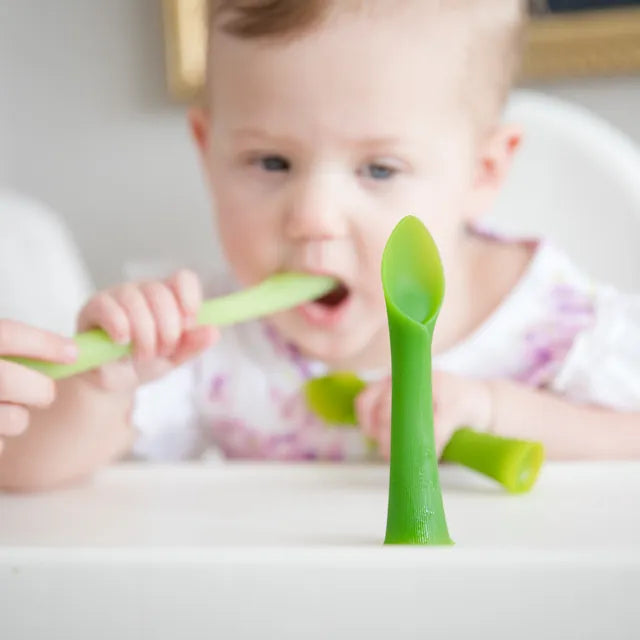
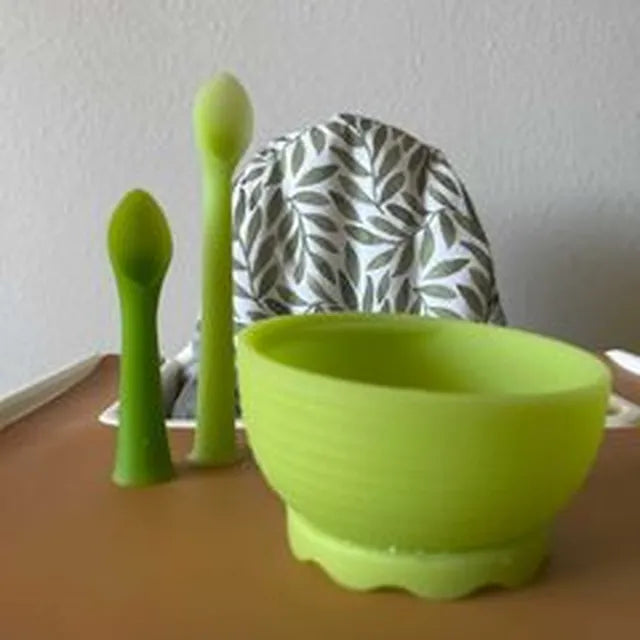
Soft silicone utensils sized for baby hands work best for baby led weaning. Our leafy training spoon has a flexible tip that bends on contact and scoops from any angle, so an unrefined grasp still gets food to the mouth, and it stands upright so the tip never touches the table. For toddlers, the training fork’s firm-but-soft prongs genuinely hold pasta, fruit, and pancakes.
When can babies use a spoon?
Most babies are ready for spoon practice around 6 months, when solids begin. Early on, a long-handled feeding spoon lets you offer purees while baby watches and learns; as your baby starts grabbing for the spoon, a short training spoon with a boosted-grip handle supports self-feeding practice through the toddler years.
Do suction plates really stop spills?
They stop the biggest one: the whole plate hitting the floor. A full-perimeter suction base locks to smooth highchair trays and tables, so the plate resists toddler pull-offs, tips, and flips until a parent releases the tab. Food inside is not sealed, so expect normal learning mess, just not a launched plate.
How do I make baby food at home?
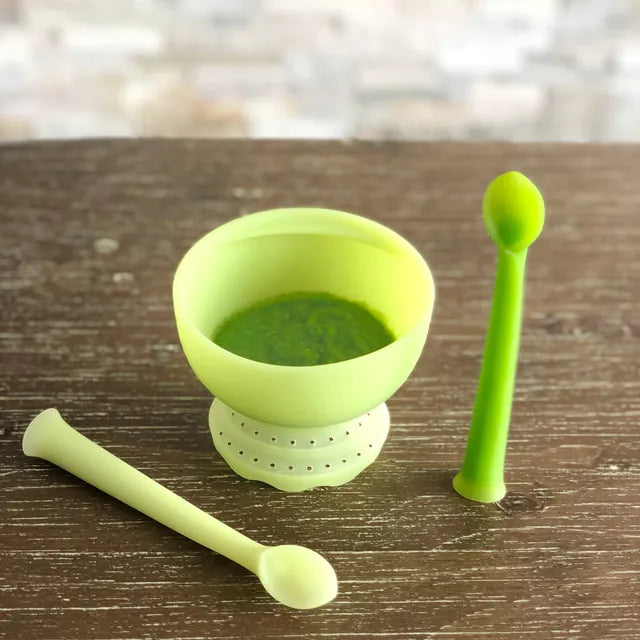
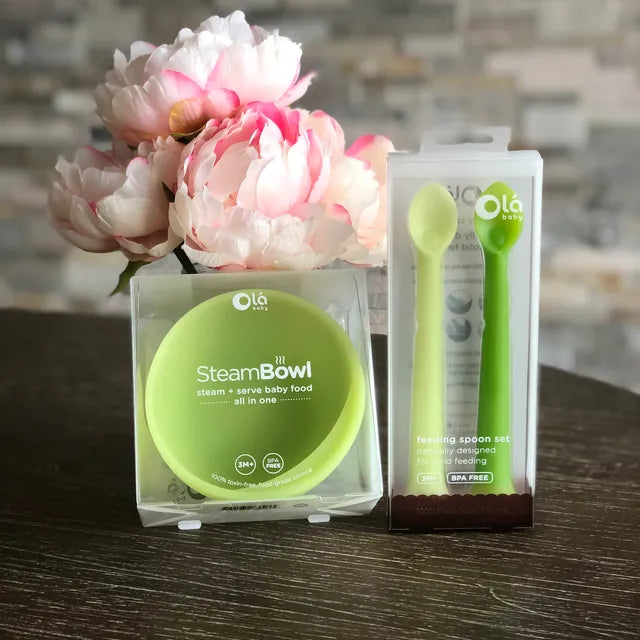
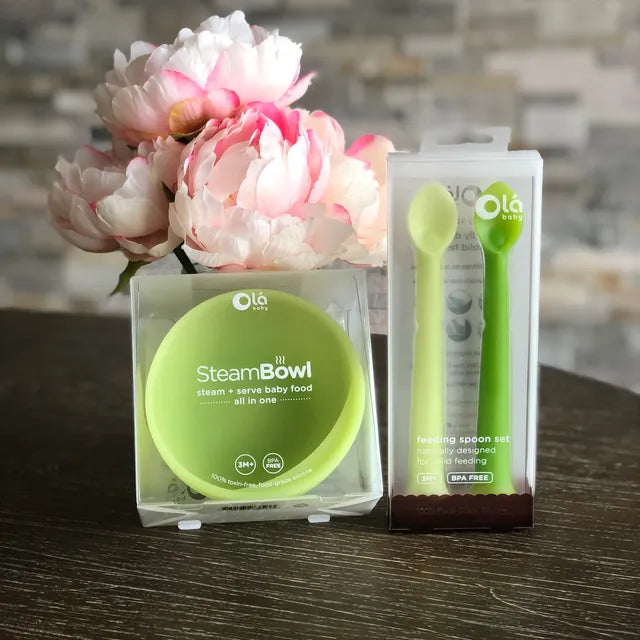
Steam, mash, serve: one bowl. The SteamBowl’s vented lid circulates steam in the microwave, cooking soft veggies, fruit, and fish in minutes while keeping nutrients in the food instead of the boiling water. The lid doubles as a strainer, and you can mash right in the bowl your baby eats from.
Do I need a baby food maker, or can I steam food in the microwave?
You can skip the appliance. The SteamBowl steams in the microwave: its vented lid circulates steam, cooking soft veggies, fruit, and fish in minutes while keeping nutrients in the food instead of the boiling water. It takes up no counter space, and you serve from the same bowl you cooked in.
Can I mash baby food in the same bowl I steam it in?
Yes, that is the SteamBowl’s whole point. Steam in the microwave, use the vented lid as a strainer to drain, then mash right in the bowl and serve. The silicone stays cool-touch at the rim, and afterward the one dish you used goes in the top rack of the dishwasher.
What is a baby food feeder and when should I use one?
A silicone feeder is a perforated pouch that lets your baby gnaw whole fruit and veggies while only tastes and tiny soft pieces get through, useful from the start of solids around 6 months. Our set adds a freezer tray that portions purees into feeder-sized cubes, and a frozen cube doubles as teething relief.
What is the best way to store homemade baby food?
Batch it and freeze it in meal-size portions. Our silicone freezer tray holds 1/2-cup servings under an airtight lid that stacks flat and blocks freezer odors, and the flexible silicone releases one serving at a time. For daily meals and snacks on the go, stackable 2oz and 4oz silicone storage containers with secure lids keep portions ready.
Is this safe for my baby?
Yes. Olababy feeding products are made from 100% high-purity food-grade silicone with no fillers, free of BPA, PVC, lead, and phthalates, and tested to FDA food-contact standards.
How do I clean and sterilize it?
Silicone products are dishwasher safe (top rack) and can be sterilized in boiling water or a steam sterilizer. Air-dry fully before storing.
What if it does not work for us?
Returns are accepted within 30 days of delivery (see our return policy for details). US shipping is free on orders over $49.
Why buy from olababy.us instead of a retailer?
Olababy.us is the official store and the only place with the complete lineup: every product, every colorway, replacement parts, and bundle pricing. Orders over $49 ship free in the US, returns are accepted for 30 days, and support comes directly from the Olababy team.
Why Olababy
Every feeding product is one material, food-grade silicone, soft enough for gums that are still teething and inert enough to go through a dishwasher for years. The panel above names what is in it and what is kept out of it.
Olababy has designed in Portland, Oregon since 2015, with parents testing the things their own children eat from.
US shipping is free over $49 and returns run for 30 days from purchase.
Before you buy
- Free US shipping over $49, $6.99 under it.
- Returns run for 30 days from purchase, by mail.
- Checkout runs on Shopify, so card details never touch this site.


